 Tours in English
 Tours in Spanish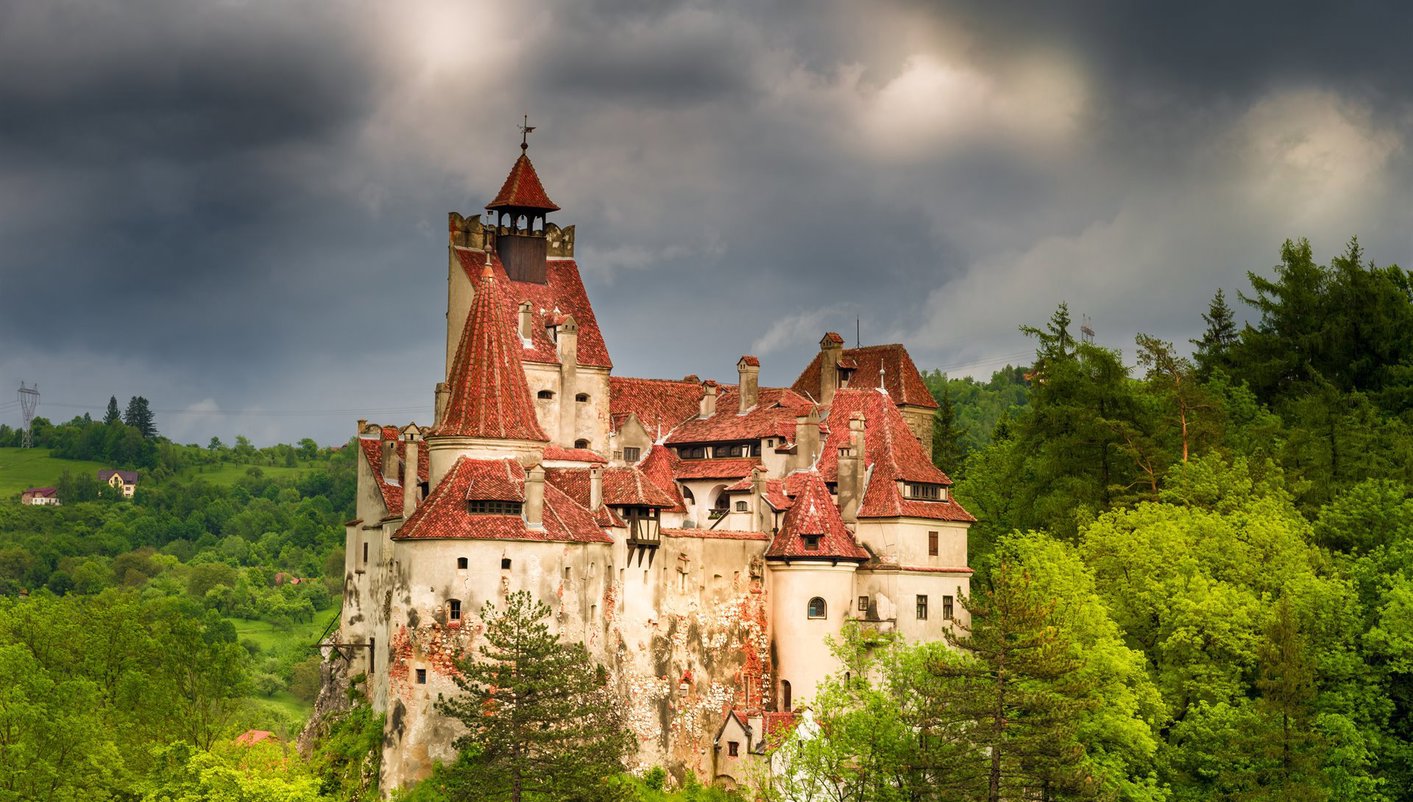



 from 2,307 €
Tour Wonders of Romania - 8d - 2026

Topics: Literary Landscape Trips in Pairs Cultural TV Series and movie Tasting
Zones: Eastern Europe Romania
A journey to the heart of Romania, where legendary castles, painted monasteries and villages frozen in time reveal the purest essence of the Carpathians.
BUCHAREST 26ºC - 30ºC
  - SIBIU 24ºC - 24ºC
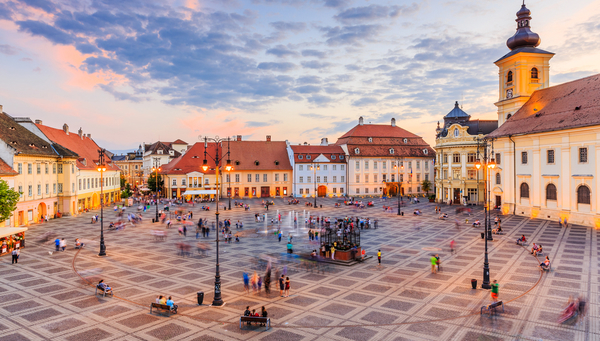
Welcome to your C. de Viajes Europamundo tour! In the morning, meeting with the driver-guide who will be at your disposal throughout the 8-day journey. Departure towards Sibiu, European Capital of Culture in 2007, with a stop to visit the Berislavesti Monastery, a valuable monument of late feudal architecture founded by the boyar Sandu Bucşenescu and his wife Maria. The church is included in the List of Historical Monuments as a church dedicated to the Holy Patrons “The Three Holy Hierarchs” and “Saint George”, and its recorded dating is between 1754 and 1762. Continuation to Sibiu. Lunch at a restaurant en route. Visit of the old town of Sibiu, known in its time for its fortress system considered the largest in Transylvania, with more than 7 km of defensive walls, of which important remains are still preserved today. We will admire the Grand Square, the city’s characteristic rooftops with the famous “eyes that follow you”, the Small Square with the Bridge of Lies, and the impressive 14th-century Gothic Evangelical Church. Dinner on your own. Accommodation.
SIBIU 24ºC - 24ºC - HUNEDOARA 25ºC - 25ºC - TURDA 23ºC - 24ºC - CLUJ-NAPOCA 21ºC - 22ºC
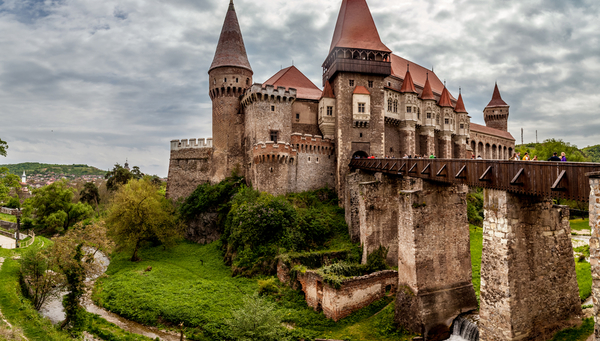
Breakfast. Departure to Hunedoara to visit the Hunyadi Castle, a great monument developed progressively in Gothic style, later incorporating Renaissance and Baroque elements. Continuation to Turda to visit the Turda Salt Mine, one of the largest in Romania. The salt deposits of Transylvania were formed 13.5 million years ago at the bottom of a shallow sea in a tropical climate. Lunch at a restaurant. Departure to Cluj-Napoca, the former Klausenburg of the Saxon settlers and Kolozsvar of the Hungarians, the main city of Transylvania and an important cultural and artistic center. Panoramic city tour of Cluj-Napoca. We will admire Michael the Brave Square, the equestrian statue of Matthias Corvinus, his birthplace, the Bánffy Palace (Art Museum), and Saint Michael’s Church, the most important Gothic church in the country, built between the 14th and 15th centuries. Dinner on your own. Accommodation.
CLUJ-NAPOCA 21ºC - 22ºC - SIGHETU MARMATIEI 23ºC - 23ºC 
Breakfast. Full day dedicated to discovering the wonders of the historical region of Maramureș. Surrounded by mountains, Maramureș is a constellation of small villages of exceptional beauty, a symbol of authenticity preserved through the centuries, with wooden houses, gates and churches belonging to the UNESCO World Heritage, where time passes according to the rhythms of a bygone era. Visit to the wooden church of Surdesti, built after the mid-18th century. The church has rich paintings in the iconostasis and the nave, and its tower offers an incomparable view over the countryside of the region. It is the largest wooden structure in Europe and part of the UNESCO World Heritage. Lunch at a restaurant en route. Visit to the church of Desesti, built in 1360, with beautiful interior paintings dating from the late 18th century. Continuation to Sapanta to visit the Merry Cemetery, unique in the world for its originality. Departure to Sighetu Marmatiei. Dinner on your own. Accommodation.
SIGHETU MARMATIEI 23ºC - 23ºC - GURA HUMORULUI 24ºC - 24ºC
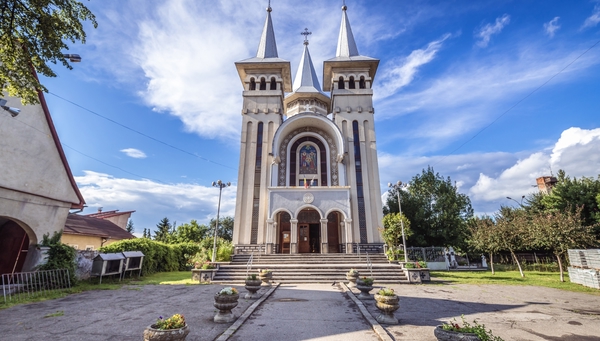
Breakfast. We continue discovering Maramureș with a visit to the Bârsana Monastic Complex, a true sanctuary of Romanian Orthodoxy set in the middle of nature and a symbol of the wooden architectural authenticity typical of Maramureș. We then head to another famous historical region, Bucovina, whose name dates back to 1774 and means “land covered with beech forests”. Lunch at a restaurant en route. Bucovina is famous for its beautiful landscapes and especially for its painted monasteries built in the 15th and 16th centuries under the rule of Stephen the Great of Moldavia and his son Petru Rareș. Visit to the Voronet Monastery (1488), known as the Sistine Chapel of Eastern Europe and considered the jewel of Bucovina for the famous frescoes that decorate the exterior of the church, the most famous being “The Last Judgment”. Dinner on your own. Accommodation.
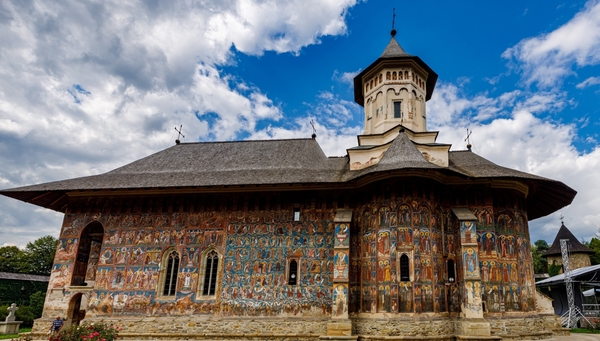
GURA HUMORULUI 24ºC - 24ºC - MONASTERIOS DE BUCOVINA - PIATRA NEAMT 23ºC - 23ºC
Breakfast. We continue discovering Bucovina with two monasteries declared UNESCO World Heritage Sites. Visit to Moldovita Monastery (1532), surrounded by fortifications and painted on the exterior. The Moldovita Monastery has been included in the list of historical monuments of Suceava County since 2015. Visit to Sucevita Monastery (1582–1584), known for its great fresco “The Ladder of Virtues” and its imposing walls. Sucevita was a princely residence as well as a fortified monastery dedicated to the production of manuscripts and printed books. Lunch at a restaurant. Departure to Piatra Neamt, a city which, due to its beauty and location, is also called “The Pearl of Moldavia”. Dinner on your own. Accommodation.
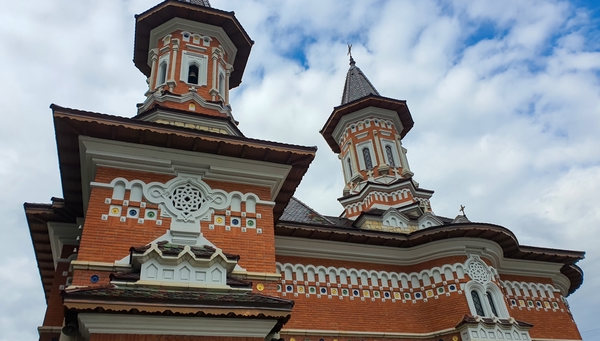
PIATRA NEAMT 23ºC - 23ºC - SIGHISOARA
Breakfast. We head towards another famous historical region, Transylvania, in the central part of the country. We cross the Carpathian Mountains through the Bicaz Gorges, the most famous canyon in the country, 10 km long, formed in Mesozoic limestone rocks 300–400 meters high, passing by the Red Lake, a natural dam lake formed after a landslide in 1837. We continue to Sighisoara, birthplace of the famous Vlad the Impaler, known worldwide as Count Dracula. Lunch at a restaurant. Visit of the city of Sighisoara, largely dating back to the 14th century, when it was expanded and fortified after the Tatar invasions of 1241. We visit the most beautiful and well-known monument of the city, the Clock Tower, built in the 13th–14th centuries and which served as the City Council headquarters until 1556. Dinner on your own. Accommodation.
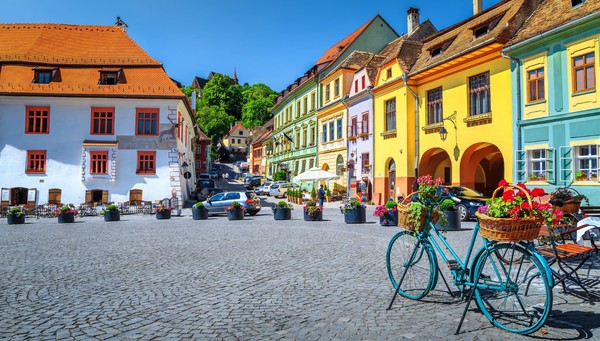
SIGHISOARA - BIERTAN 23ºC - 23ºC - BRAN 20ºC - 22ºC - BRASOV 22ºC - 25ºC
Breakfast. We continue discovering Transylvania with Biertan, a village founded by Saxon settlers in the 12th century, which was an important market town and Lutheran episcopal seat during the 16th century. Visit to the fortified church of Biertan, built in the 14th century in Gothic style and surrounded shortly after by defensive walls. Today the church is part of the UNESCO World Heritage. Departure to Bran and visit to the famous castle known as Dracula’s Castle, one of the most picturesque in Romania, built in the 13th century by the Teutonic Knight Dietrich and restored in later periods. From 1920, Bran Castle became a royal residence of the Romanian kings. Lunch at a restaurant. Continuation to Brasov and visit to one of the most fascinating medieval towns in Romania, exploring the old town where we will see the Council Square, the Black Church (Biserica Neagra), the largest Gothic church in Romania, Strada Sforii (Rope Street), the narrowest street in Brasov, Catherine’s Gate and the old city fortifications with the craftsmen guild bastions. Dinner on your own. Accommodation.
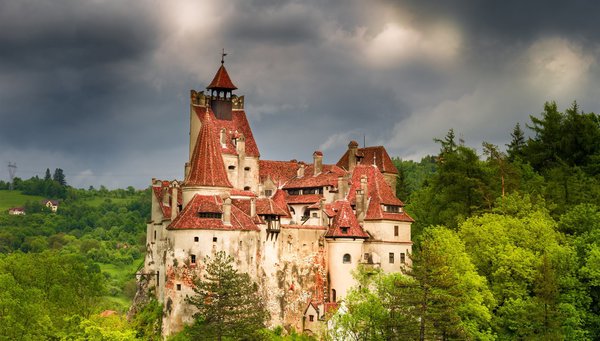
BRASOV 22ºC - 25ºC - SINAIA 22ºC - 22ºC  - BUCHAREST 26ºC - 30ºC
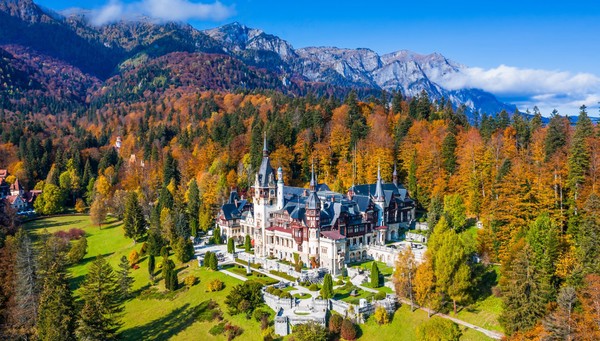
Breakfast. Departure to Sinaia, known as the Pearl of the Carpathians, the most famous mountain resort in Romania. Visit to Peles Castle, former royal residence, built in the late 19th century in the Neo-Gothic style of Bavarian castles. Continuation to Bucharest. Lunch at a restaurant. Transfer to Bucharest airport or hotel. End of our services.



Choose a circuit from our travel menu to enjoy and discover, on routes full of experiences, the hidden and surprising treasures of a region or country.
Recommended for groups of friends or family who want to do a tour in private, usually a regional one and short in duration.
- Prepared for groups of 2 to 7 people.
- Made in a private vehicle driven by your guide.
- Circuits for all tastes: Historical, Adventure, Cultural, etc.
- With very varied services, depending on the type of circuit selected
- 5% discount for the third person traveling in triple